Podcast: Play in new window | Download
Subscribe: Apple Podcasts | Spotify | RSS
FEATURE INTERVIEWS:
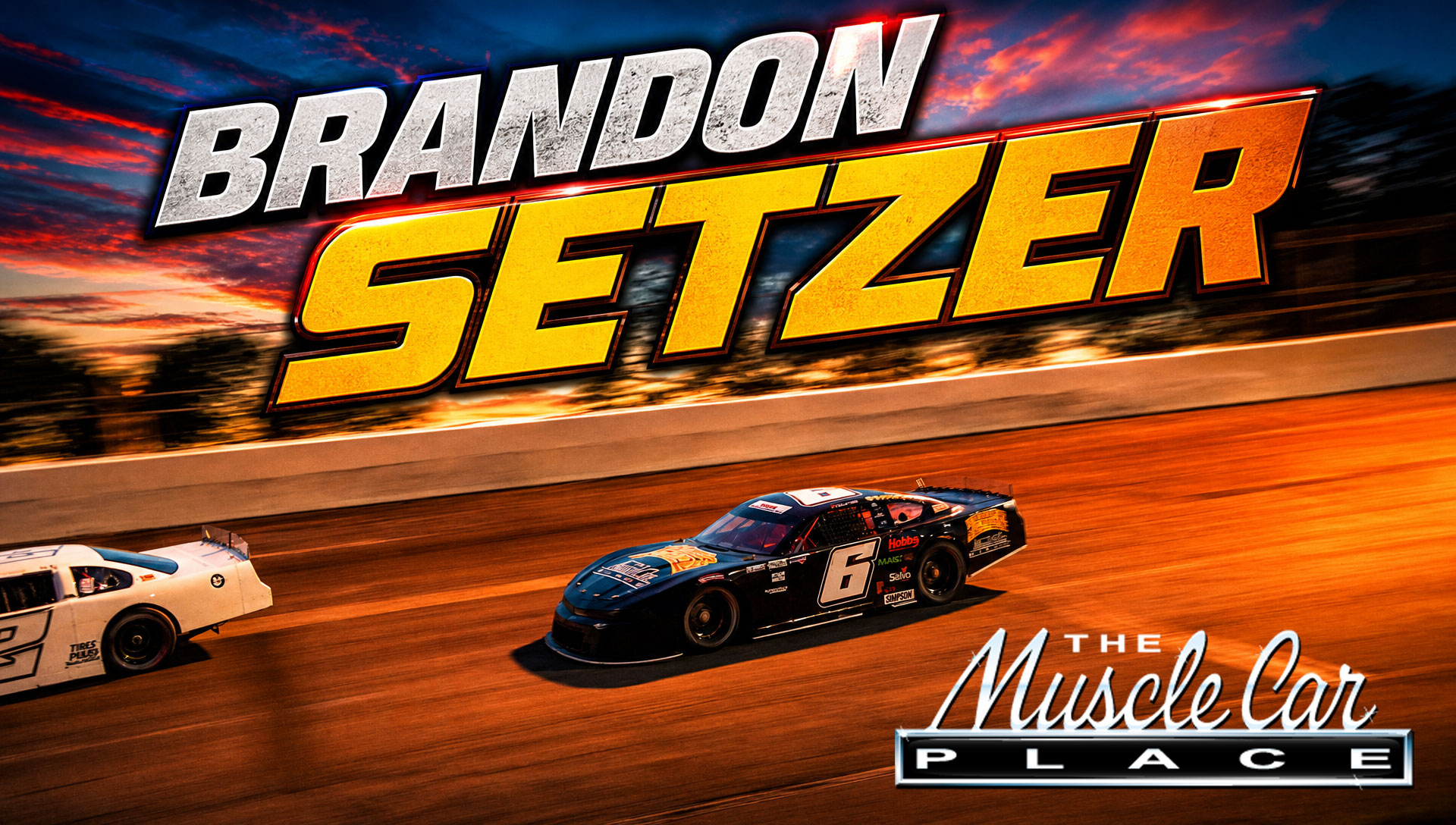
From Driver to Developer: Brandon Setzer and the Road to NASCAR
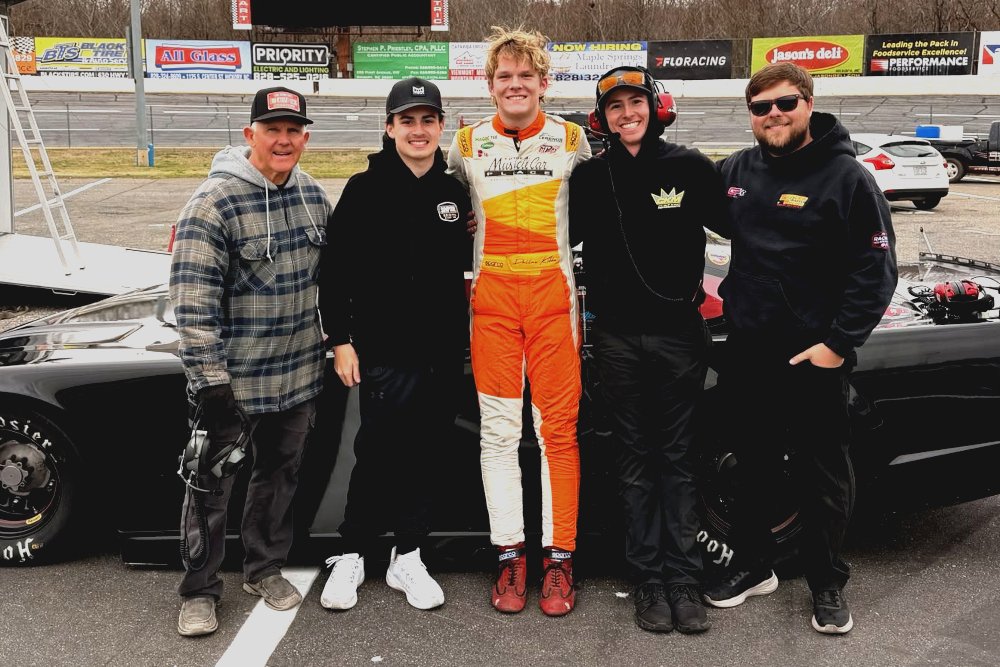
One of the most rewarding parts of racing is finding people who genuinely care about helping the next generation succeed. That’s exactly what I found when I met Brandon Setzer, owner of Setzer Racing and Development in Newton, North Carolina.
As many listeners know, Dallas recently made the jump into Late Model racing, and Brandon has become a key part of that journey. Watching Dallas work through the learning curve has given me a firsthand look at Brandon’s coaching philosophy and the environment he has created around his program. In a sport where everyone wants immediate results, Brandon’s focus remains on long-term development and helping drivers build a foundation for future success.
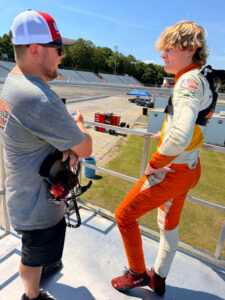
Many race fans know Brandon as the son of longtime NASCAR Truck Series standout Dennis Setzer, but Brandon has built a reputation all his own. After spending years competing in Late Models and racing against future NASCAR stars like Ryan Blaney, Chase Elliott, Christopher Bell, and William Byron, he eventually shifted his focus from driving to developing young talent.
What makes Brandon’s story particularly interesting is that his original goal was the same as many aspiring racers: make it to NASCAR as a driver. As time went on, he realized his greatest impact might come from helping others navigate that path instead. Today, Setzer Racing and Development has become one of the premier Late Model development programs in the country, helping young drivers learn skills that traditionally took years to acquire.
One of the most fascinating parts of our conversation centered on the role Late Model racing plays in modern stock car development. To outsiders, the progression can seem incredibly confusing. Pro Late Models, Super Late Models, Late Model Stocks, ARCA, Trucks, Xfinity, and NASCAR all occupy different places on the ladder. Brandon specializes primarily in Pro Late Models, which have become one of the most important stepping stones for drivers pursuing higher levels of stock car racing.
The appeal of the Pro Late Model is its balance between performance and accessibility. The cars are sophisticated enough to teach racecraft, momentum, setup awareness, and vehicle control, while remaining significantly more affordable than many upper-level divisions. Because the rules are relatively consistent across the country, drivers can compete in major events from Florida to California using essentially the same equipment.
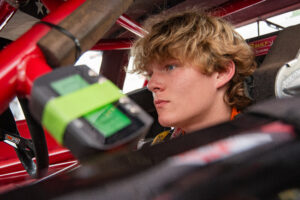
Brandon’s knowledge wasn’t learned solely from his own driving career. Growing up around Dennis Setzer gave him a front-row seat to one of stock car racing’s most respected grassroots success stories. Dennis earned 17 NASCAR Truck Series victories during his career, but perhaps more importantly, he passed along decades of racing knowledge to his son. Today, those lessons are being shared with an entirely new generation of drivers.
What stood out most during our conversation was Brandon’s approach to coaching. Success isn’t measured by winning races immediately. It’s measured by learning. He emphasized that one of the first things he evaluates isn’t raw speed, but attitude. Drivers and families who understand the value of patience, development, and long-term growth tend to achieve the greatest success.
That philosophy has produced impressive results. Over the years, Setzer Racing and Development has worked with numerous drivers who have advanced into ARCA, NASCAR Trucks, Xfinity, and beyond. While Brandon is quick to give credit to the talent behind the wheel, it’s clear his program provides a valuable foundation for young racers looking to take the next step.
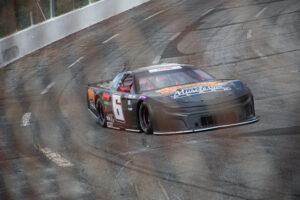
In racing there is a constant balancing act between performance and cost. Whether discussing crate engines, suspension technology, or evolving rule packages, Brandon offered a practical perspective on keeping racing competitive while controlling expenses. Like many grassroots racing leaders, he understands that the future of the sport depends on creating opportunities that remain financially realistic for families and teams.
Perhaps what impressed me most was the environment Brandon has created around his program. Racing is competitive by nature, but Setzer Racing and Development feels more like family than a pressure cooker. Between Brandon, Dennis, Austin Taylor, and the rest of the team, there’s a genuine investment in helping young drivers improve both on and off the racetrack.
As a parent trying to help a young driver navigate this complicated sport, I’ve learned that talent is only one part of the equation. Finding the right mentors matters just as much. Brandon and his team have created an environment where drivers can learn, make mistakes, improve, and continue growing. That’s becoming increasingly rare in modern motorsports, and it’s one of the reasons I’m grateful Dallas has the opportunity to work with them.
Learn More About Setzer Racing and Development

You can learn more about Brandon Setzer and Setzer Racing and Development by visiting SetzerRacing.com or following Setzer Racing and Development on Facebook for updates on drivers, race results, testing opportunities, and development programs.
Thanks Brandon!
Follow Dallas Kibbe Racing for race results, stats, and behind-the-scenes racing action:
https://www.facebook.com/DallasKibbeRacing
https://www.instagram.com/dallaskibbe_13/
https://www.tiktok.com/@dallaskibbe_13
https://www.myracepass.com/drivers/178661
MyRacePass.com/drivers/178661.
A special thanks goes out to Lexani Tires, Lionhart Tires, Rolling Big Power Tires, and the team at SimpleTire.com for their continued support of Dallas’ racing journey.




___________________________________________________________________________________________

Saving the Tracks That Built Us:
Tyler West, RacingJunk, and the Future of Grassroots Motorsports
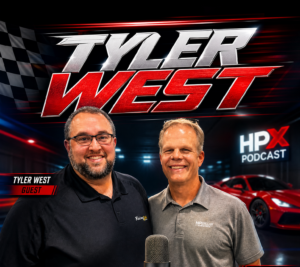
My conversation with Tyler West from RacingJunk might sound like it would be centered around online classifieds. After all, RacingJunk has spent decades helping racers and enthusiasts buy and sell everything from race cars and trailers to engines and performance parts. But our discussion at the 2026 High Performance Expo quickly revealed a much larger mission: helping preserve the future of grassroots motorsports.
Tyler’s own racing story started humbly. As a teenager, he picked up trash at a local racetrack to earn enough money to race a 1990 Mercedes 300E in bracket competition. That experience sparked a lifelong passion that eventually led him into racetrack operations and later to RacingJunk, where he now works closely with tracks, promoters, and racing organizations throughout North America.
One of the most interesting parts of our discussion centered on the challenges facing local racetracks. Rising operating costs, increasing land values, insurance expenses, and changing entertainment habits have made it more difficult than ever to keep facilities profitable. Many track owners face the same realities as other small business owners: costs continue to rise, but there’s only so much you can charge before participation begins to decline.
Despite those challenges, Tyler remains optimistic. He pointed to successful facilities that have expanded beyond racing and embraced their role as community entertainment venues. Car shows, swap meets, concerts, festivals, and special events all help generate revenue while introducing new audiences to motorsports. Every person who attends a non-racing event at a track becomes a potential future fan.
Our conversation also touched on marketing, audience development, and the importance of connecting with enthusiasts where they already spend their time. Through RacingJunk’s extensive audience and industry relationships, Tyler works to help tracks and organizations reach racers and fans who are most likely to support their events.
Looking ahead, Tyler sees both challenges and opportunities. Technology, social media, streaming platforms, and even artificial intelligence are changing how motorsports organizations communicate and promote themselves. Yet he believes the fundamentals remain unchanged. Successful facilities will still be led by people who understand racers, care about their customers, and remain committed to delivering a quality experience.
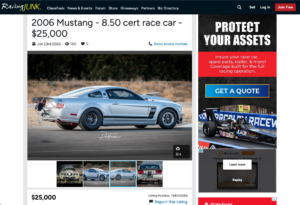
Perhaps the most encouraging takeaway from our conversation was Tyler’s belief that people still care deeply about motorsports. New generations continue to discover racing through YouTube, social media, endurance racing, and grassroots competition. The path into the sport may look different than it did twenty years ago, but the passion remains as strong as ever.
For anyone who cares about local racetracks, grassroots racing, and the future of the hobby, Tyler offered a thoughtful perspective on both the challenges and opportunities ahead. And while RacingJunk may be known primarily as a marketplace, it’s clear that people like Tyler are working hard to help preserve the places where racers, fans, and families gather to create memories that last a lifetime.
Learn More About RacingJunk
Visit RacingJunk.com to browse listings, buy and sell racing equipment, and learn more about their services and partnerships throughout the motorsports community.
_____________________________________________________________________________________________________________________________________________
This interview sponsored by our pals at National Parts Depot – your premier source for muscle car restoration parts!